Are foster carer medicals a waste of time?
By Dr. Matthew Orr
There are many changes being proposed in the fostering world. Suggestions include removing fostering panels, alongside a range of other reforms. Foster carer medicals have not escaped the debate.
One idea that has been discussed is replacing the current medical process altogether. Instead of obtaining information from a GP, the proposal would rely on a conversation between the applicant and a social worker while reviewing the applicant’s NHS app together.
At first glance, this may sound quicker and simpler. But most social workers would understandably feel uncomfortable deciding which medical information is important and which is not. That responsibility sits with medical professionals for a reason.
Having worked as a fostering and adoption medical adviser for almost twenty years, I have seen just about everything. One thing that becomes very clear is that different people often look at the same medical information in very different ways. Without someone experienced enough to interpret and explain it properly, the information can easily become confusing noise rather than something useful.
This matters more than many people realise.
There has long been a significant gap between what applicants write on their medical forms and what is actually contained in their GP records. This became especially obvious during the Covid pandemic when self-declaration was temporarily relied upon more heavily. Once those declarations were later compared with GP-completed medical forms, many differed substantially from the medical records.
This still happens regularly today. An applicant may describe themselves as having no health problems at all, yet their GP records contain multiple diagnoses and a long list of medications. In my experience, this is a common occurrence.
That does not necessarily mean applicants are trying to hide things. Often, people simply no longer think about conditions they manage every day as “medical problems”. High blood pressure, depression, diabetes or chronic pain can become normal parts of life for them.
That is why experienced medical interpretation matters. However the information is gathered, someone with the right training and experience needs to ensure it is complete, accurate and properly understood.
For me, the reason for maintaining a robust medical assessment process is straightforward. Foster carers look after some of the most vulnerable children in society. Agencies and decision makers need to understand whether applicants are physically and emotionally able to meet the demands of the role, both now and in the future.
There are also important benefits to the process that are rarely discussed.
Many younger applicants don’t have access to other forms of routine health surveillance, such as the NHS health check offered to people over 40. Some people may not have seen their GP for years.
A fostering medical gives them the opportunity to review their health properly and think about their future wellbeing.
For some people, it is also the first time anyone has clearly explained why they take certain medications or discussed diagnoses or risk factors they may not even know they had.
I have seen many applicants make major positive changes after their medical assessment, including substantial weight loss, better diabetic control, stopping smoking, reducing alcohol intake and becoming more generally physically active.
Of course, the current system is far from perfect. Obtaining information from GP practices can still be frustratingly slow at times. But that does not mean the answer is to abandon the process altogether.
Medical assessments provide panels and decision makers with expert interpretation and context. They help ensure that decisions about vulnerable children are made using accurate and properly understood information.
That is not just bureaucracy.
Removing it would not be progress. It would be a significant step backwards.
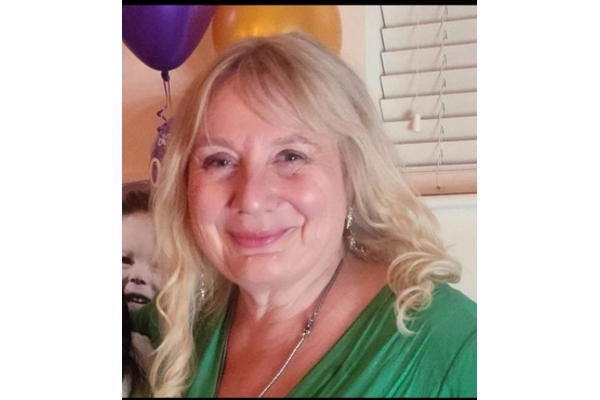
Dr Matthew Orr is an NHS GP, fostering and adoption medical adviser, and director of Orr Medical, which has specialised in providing medical adviser support to local authorities, independent fostering agencies and regional adoption agencies across England and Wales for over 15 years