Shared reading as a relational practice
Book Trust

This year’s Foster Care Fortnight theme, This is Fostering, celebrates the everyday relationships at the heart of fostering. At BookTrust, through our work with foster carers, the practitioners who support them, and the systems around children in care, we’ve been exploring something simple but powerful, shared reading as a relational practice.
Our recent learning with foster families suggests that simple, consistent, relational experiences like shared reading help to build children’s sense of permanence, safety and belonging. Those shared moments of connection over a story may seem like a small thing, research from young children’s perspectives shows that these everyday events and routines are how they develop a sense of belonging, learning over time “how this family does family”.
Belonging is often built in ordinary routines. Bedtime stories. Quiet moments. The small rituals that children learn to trust. Not reading to develop literacy skills, but as a way to be alongside a child.
For many children in care, relationships can feel complicated. Trust may have been broken. They may have experienced separation, grief or loss. Talking directly about feelings may feel overwhelming or simply too hard.
A shared book creates a low-pressure space where connection can happen without demands. Creating the everyday relational moments where trust begins to grow. These themes came through powerfully in our recent webinar with Dr Lisa Cherry, where foster carers, virtual school colleagues and children’s social care professionals reflected on belonging, connection and what helps children feel safe enough to be heard, seen and understood.
Research shows that early caregiving relationships, particularly those rooted in warmth, responsiveness and consistency, are central to healthy development. For children in foster care, everyday acts of connection, including reading together, can be quietly reparative, helping strengthen both attachment and a child’s internal sense of safety.
Shared reading in practice
BookTrust has been working alongside Independent Fostering Agencies, including National Fostering Group, where we’ve seen shared reading embedded as part of their core support offer.
Across agencies, carers have shared photos of story corners, puppets and bedtime routines on WhatsApp groups. Social workers have been using monthly supervision conversations to check in, reflect, and explore what children are responding to. In some homes, older siblings have started joining in, reading to younger children or helping create new reading rituals together.
Something as simple as a parcel addressed to the child has also had a powerful impact. And for some families, those moments have felt transformational.
One foster carer in Northern Ireland told us there were ‘tears of joy’ when a child in their care, who had significant developmental delays, independently picked up a book, turned the pages, and began exploring it for herself for the first time.
Shared reading is not just a relational practice within the family. It can become a relational practice between practitioners and families too, creating new opportunities for reflection, encouragement, and connection around the child.
“Giving them that time, that one-to-one time, it’s really helping with the bonding”. Family support worker
Stories can help children find their voice
Children don’t always tell us how they’re feeling. Sometimes they tell us through play. Through the character they choose. Or through the part of a story they return to again and again.
In BookTrust’s Stories That Connect Us animation, created using the words of children and carers in foster, kinship and adoptive families, one child simply says:
“When we read stories together, it makes me feel happy and loved. It’s being part of the family.”
Another child, talking about a story of a monkey searching for his mum, reflected:
“It feels important to me”
These are moments of safety and belonging. Of children finding words for experiences that may otherwise feel too big, too painful, or too difficult to say directly.
The right book at the right time
The request we most often receive from social workers is for book recommendations, what book might help open up a particular conversation with a child?
For children in foster care, stories that reflect difference, belonging, emotional experiences can open up conversations that may feel too difficult to begin directly. All of the books in our reading programmes and recommendation lists have been through a careful selection process, working alongside foster carers, social workers and care leavers.
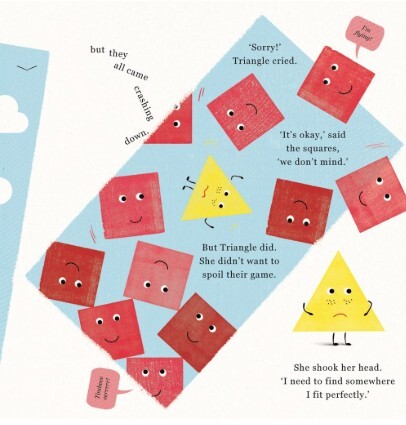
One book, The Perfect Fit, has helped families discuss and explore emotions in multiple ways. Families told us it opened up meaningful conversations about emotions, identity and what it means to feel different, or to find where you fit.
“When he felt sad that the triangle wasn’t fitting in with any of the other shapes I had a conversation… It’s OK to feel different. Because Mike will sometimes say he’s strange and I have to remind him that he’s not strange… It’s OK because everyone’s going to be friends and she can fit somewhere else.” Birth mother
Sometimes the right book, shared at the right time, creates a safe place for a conversation to begin.
To find out more about BookTrust’s resources to support shared reading with children in foster care:
https://www.booktrust.org.uk/how-we-help/supporting-the-social-care-workforce/


